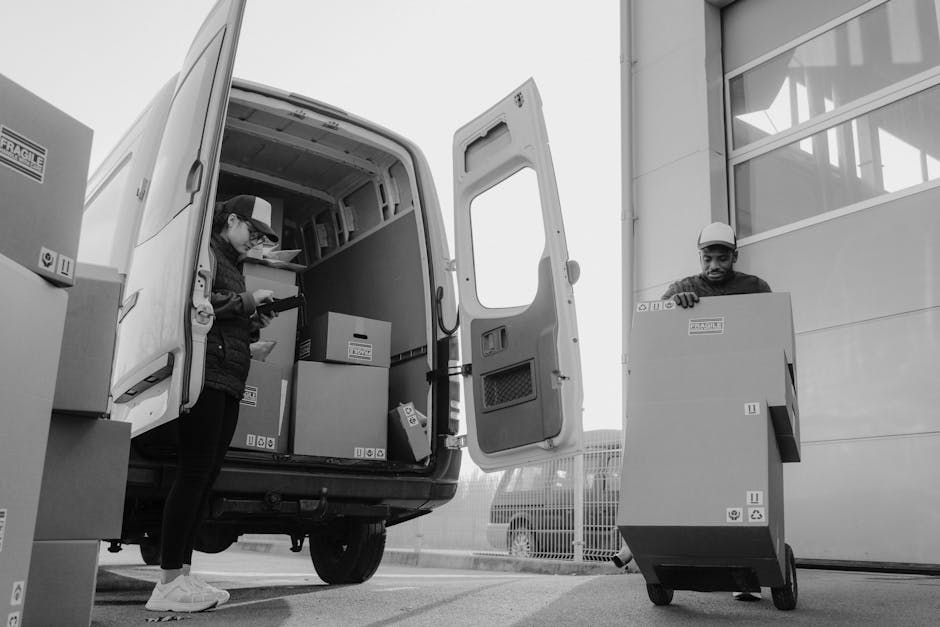
Bayswater man and van rates and loading bay permits W2

If you are moving in Bayswater, the cost of the van is only half the story. The other half is access. Narrow streets, busy residential blocks, shared entrances, timed parking, and loading restrictions can all change how a simple job is priced and how smoothly it runs. That is why Bayswater man and van rates and loading bay permits W2 are worth understanding before you book anything. A well-planned move can save time, reduce stress, and avoid those awkward last-minute delays when the driver arrives and realises the best stopping point is already taken.
In this guide, we'll break down what affects rates, when a loading bay permit matters, how the process usually works in W2, and what you can do to keep the move efficient. We'll also look at the common mistakes people make, the practical checks that save money, and the service options that tend to fit different kinds of Bayswater moves.
Expert summary: In Bayswater, the cheapest quote is not always the cheapest move. If access is tight or parking is uncertain, the right preparation - and the right service - can make a bigger difference than shaving a few pounds off the hourly rate.
Why Bayswater man and van rates and loading bay permits W2 Matters
Let's face it: in W2, moving is rarely just about lifting boxes. Bayswater has a mix of mansion blocks, period conversions, mews-style streets, and busy roads where stopping for five minutes can be surprisingly tricky. That means the real cost of a man and van service often depends on more than distance and labour. It depends on access, parking, waiting time, carrying distance, and whether the van can legally stop close enough to the property.
When people first compare quotes, they often focus on the hourly rate. Fair enough. But if the van has to park two streets away, the job takes longer. If the crew has to keep moving the vehicle because of restrictions, the clock keeps running. If a permit or a loading bay slot was expected but not arranged, the whole day can feel a bit like a slow-motion headache.
That is why loading bay permits matter. In simple terms, they help a moving vehicle use a designated space for loading or unloading, usually for a limited time and under local rules. Not every move needs one, and not every street works the same way, but in a built-up area like Bayswater, access planning can be the difference between a tidy move and a stressful one.
This is also where good preparation links naturally with the right service choice. For smaller moves, a man and van service in Bayswater can be ideal. For larger homes, more furniture, or a tighter timetable, you may want to compare that with house removals in Bayswater or the broader support available through removal services in Bayswater.
How Bayswater man and van rates and loading bay permits W2 Works
Most man and van quotes are built from a few moving parts. The provider will usually look at how much needs moving, how many people are needed, how far the trip is, whether there are stairs or awkward items, and how long loading is likely to take. In Bayswater, they will also think about parking, road access, and whether stopping close to the building is realistic. That last part can affect timing more than people expect.
Rates are often quoted hourly or as a fixed job price. Hourly pricing can work well for smaller jobs and short trips, especially when the load is straightforward. Fixed pricing can be better when the job is clearer from the start, such as a one-bedroom flat move with a known list of items. But even fixed pricing still depends on honest details. If there are three flights of stairs, a piano, or a long walk from the nearest stopping point, those factors should be said upfront.
A loading bay permit, meanwhile, is basically an access permission for using a loading zone or a designated kerbside space in a controlled way. The details vary depending on the street and the type of location, and the exact rules are not something you want to guess at the last minute. In practice, this means checking whether the van can stop legally and safely near the property, and whether any time restrictions apply to the space you want to use.
Here's the practical bit: a good mover will ask questions before the move day. They may ask about floor level, lift access, item size, parking, and whether the property has a bay, forecourt, or private loading area. If you are moving out of a flat, especially one without lift access, you may also find it useful to read about flat removals in Bayswater, because access issues often look simple on paper and then become very real once boxes start stacking up in the hallway.
Some moves are neatly handled in under an hour. Others are... well, not. A sofa that looked manageable in the lounge can suddenly become a geometry problem on a narrow staircase. That's normal. It just needs planning.
Key Benefits and Practical Advantages
Understanding rates and permits is not just admin for the sake of admin. It gives you control. And in a busy part of London, that control is worth having.
- Better cost control: If you know whether parking will be straightforward, you are less likely to be surprised by extra time on the clock.
- Fewer delays: A planned loading point can keep the van close to the property and reduce unnecessary walking.
- Less physical strain: Shorter carrying distances mean less fatigue, especially for heavier furniture or multiple boxes.
- Safer loading: Proper stopping arrangements reduce the temptation to unload in a rushed or awkward position.
- More accurate quotes: When the mover knows the access situation, the estimate is usually more realistic.
- Lower stress on move day: That calm feeling matters. You notice it most when the first heavy item comes out and everything just flows.
There is another advantage people don't always think about: confidence. When a mover has the right access plan, the job feels organised from the start. Boxes are labelled, the route from building to van is clear, and nobody is improvising in the rain with a wardrobe half turned on its side. To be fair, that is worth a lot.
If you are still comparing providers, it can help to look at the wider support on offer too. Some customers want a straightforward vehicle and labour arrangement, which is where a removal van in Bayswater may suit them. Others want a more complete package, such as removals in Bayswater with packing support and additional handling.
Who This Is For and When It Makes Sense
This topic matters for a lot of different people, not just one kind of move.
It makes sense if you are:
- moving from a flat or maisonette in Bayswater
- relocating a small office or studio space
- moving a few bulky items and want a helper plus vehicle
- dealing with time-sensitive collection and delivery
- arranging a student move or short-term let handover
- trying to keep the move simple without booking a full-size removal team
For example, a student moving out at the end of term may only need a modest van and some help with loading. On the other hand, someone leaving a furnished apartment with large pieces, mirrors, and delicate items may need a more careful plan. If your move includes a lot of special items, it may be worth exploring furniture removals in Bayswater or even piano removals in Bayswater if you have something especially awkward or valuable.
There's also the timing side. If you only have a short window to vacate a property, or if your building only allows access at certain times, the permit question becomes more urgent. That is where same day removals in Bayswater may be relevant, though same-day bookings are always easier when access is already understood. The best outcome is usually simple: know the constraints first, then choose the right service.
Step-by-Step Guidance
- List everything you need moved. Not just the obvious furniture. Include lamps, mirrors, under-bed storage, plants, bike frames, and the odd thing in the cupboard you forgot about.
- Check your access point. Is there a loading bay? A private forecourt? A narrow street with limited stopping room? Don't guess. Walk it if you can.
- Measure the awkward items. Door frames, stair turns, and lift dimensions can change the whole plan. One centimetre can matter more than you'd expect.
- Ask for a quote based on the real access conditions. Share floor level, stairs, parking, and any time restriction that could affect the job.
- Confirm whether a permit or loading bay arrangement is needed. If the van must use a controlled space, sort this before move day rather than hoping it will "probably be fine".
- Pack in a way that supports speed. Label boxes by room, keep essentials separate, and avoid overfilling heavy boxes. If you want help here, packing and boxes in Bayswater can make a surprisingly big difference.
- Book the right level of service. For smaller jobs, a man and van can be enough. For bigger or more complex moves, compare with office removals in Bayswater or other tailored options.
- Keep your phone handy on the day. A quick call can resolve small access issues before they turn into delays.
A small but useful habit: take photos of the parking area and the entry point before move day. It sounds almost too simple, but it helps everyone visualise what the driver is dealing with.
Expert Tips for Better Results
The difference between an average move and a smooth one often comes down to a handful of details.
First, give the full picture. People sometimes understate what needs moving because they want to keep the quote low. Understandable, yes. But if the mover turns up expecting four boxes and finds a full flat, the whole schedule shifts.
Second, think in terms of carrying distance, not just mileage. A short local move can still take ages if the van cannot stop nearby. A move across Bayswater might be faster than a move across one awkward street. Strange, but true.
Third, group your items sensibly. Put fragile things together, heavy books in smaller boxes, and keep screws, fittings, and remote controls in clearly marked bags. It saves time at the other end, especially when you are standing in a room full of half-open boxes and wondering where the kettle went.
Fourth, choose the right service for the complexity. If you only need transport and loading help, a simpler setup may be best. If your move has multiple bulky items, awkward furniture, or a layered schedule, a broader service can be more efficient. You can compare options through the services overview and then match that to your actual moving day needs.
Fifth, remember sustainability where you can. If you are decluttering before the move, reusing boxes and separating recyclable materials is both practical and tidy. Some customers also like to review recycling and sustainability guidance before a bigger clear-out.
Practical rule of thumb: if the move depends on a good parking spot, plan it like a booking rather than a gamble. The van should fit the day, not the other way round.
Common Mistakes to Avoid
A lot of move-day problems are preventable. The trouble is, they only look obvious afterwards.
- Assuming parking will be easy. In Bayswater, that can be a costly assumption.
- Not mentioning stairs or lift issues. Even one extra flight changes timing.
- Forgetting larger items. Wardrobes, beds, exercise equipment, and artwork need to be named in advance.
- Leaving permit planning until the day before. That is a classic "future me will sort it" mistake. Future you will not be thrilled.
- Packing too heavily. Overloaded boxes slow down loading and create risk.
- Comparing rates without comparing service scope. One quote may include more labour, better timing, or more realistic access planning.
- Ignoring building rules. Some blocks have specific moving hours, lift booking systems, or entry procedures.
Another mistake is treating all moving help as interchangeable. It isn't. If you are only moving a few items, a smaller service may be ideal. If you have a full household move, it may be worth looking at man with van support in Bayswater alongside other moving options, so you can compare the level of help properly.
Tools, Resources and Recommendations
You do not need a huge toolkit to move well, but a few simple things make the process easier.
- Phone notes app: Keep a running list of items, access notes, and key timings.
- Masking tape and marker pens: Good for room labels and "do not load last" boxes.
- Measuring tape: Essential for checking furniture, doors, and stair bends.
- Zip bags for screws and fittings: Small, boring, extremely helpful.
- Protective wraps or blankets: Especially useful for wooden furniture, glass, and painted surfaces.
- Photos of access points: A quick visual reference can help avoid misunderstandings.
If you are looking for broader background before booking, there are a few useful pages on the site that can help you understand the wider moving process. For example, pricing and quotes is a sensible next stop if cost is your main concern, while about us can help you get a feel for the company behind the service. And if you are comparing providers more generally, removal companies in Bayswater is a useful starting point.
For some customers, storage is the missing piece. Maybe you're moving out before the new place is ready. Maybe you are downsizing and need a breathing space. In those cases, storage in Bayswater can smooth the gap and stop the whole move from feeling rushed.
Law, Compliance, Standards, or Best Practice
Moves in London touch on a few practical compliance areas, even when nobody is trying to make a drama out of it. The main point is simple: loading, unloading, and parking need to be handled legally and safely. That means respecting local restrictions, not blocking traffic, and following the terms that apply to any loading bay or permit arrangement.
Good practice usually includes:
- checking whether stopping in a bay is allowed for the time needed
- ensuring the vehicle is positioned safely and legally
- not overstaying any permitted loading period
- keeping walkways clear while carrying items
- avoiding unsafe lifting, especially with bulky or heavy furniture
Insurance and safety matter here too. A professional moving team should be clear about handling methods, vehicle use, and expectations around damage prevention. It is reasonable to ask how items are protected during loading and transport. If you want to understand that side in more detail, insurance and safety is a sensible page to review.
Best practice also includes fair communication. If a quote depends on certain access conditions, those conditions should be stated clearly. If your building has restrictions, mention them early. If a permit is needed, plan ahead. Nothing fancy. Just tidy, honest preparation. That is usually what keeps everything moving.
Options, Methods, or Comparison Table
Choosing between moving options often comes down to how much you need moved, how tricky the access is, and how hands-on you want the help to be. Here is a simple comparison that may help.
| Option | Best for | Typical strengths | Watch-outs |
|---|---|---|---|
| Man and van | Small to medium moves, quick collections, a few bulky items | Flexible, usually cost-conscious, good for local journeys | Can be slower if access is poor or parking is difficult |
| Removal van with labour | Moves that need transport plus loading help | More practical support than vehicle-only arrangements | May still need good access planning in busy streets |
| Full removals service | Larger home moves, multiple rooms, more fragile belongings | More hands, better for complex jobs, less heavy lifting for you | Usually a bigger investment than a smaller move |
If your move is small and access is straightforward, the simpler route may be enough. If your building is awkward, or you have more than a few items, stepping up to removal services in Bayswater can sometimes be the more economical choice overall, even if the quote looks higher at first glance.
And yes, that can feel counterintuitive. But a faster move with fewer surprises often works out better than a cheaper quote that keeps growing by the hour. Funny how that happens.
Case Study or Real-World Example
Here's a realistic Bayswater scenario.
A couple is moving out of a two-bedroom flat near a busy road in W2. They have a bed, a sofa, a dining table, several boxes, and a few awkward items - a mirror, a floor lamp, and a small cabinet that looked manageable until they tried turning it in the hallway. The building has a lift, but it is shared and only available after a booking slot. The nearest stopping point is limited, so parking close by is uncertain.
At first, they request a standard man and van quote based only on the item list. The price looks fine. But after discussing access, the mover explains that the job may take longer because the van cannot park directly outside for long. The couple then checks whether a loading bay arrangement is needed and adjusts their timing to fit the available access window.
The result? The move is still a bit busy - moves always are - but it runs smoothly. The crew has the right arrival time, the boxes are already grouped by room, and nobody is carrying a mattress half a street away while muttering under their breath. That is the kind of difference a good access plan makes.
If the same couple had left the planning until the day before, they might have paid more in waiting time and ended up stressed before the first kettle was unpacked. Small details. Big impact.
Practical Checklist
Use this quick checklist before booking:
- Have you listed every item that needs moving?
- Do you know the exact floor level and lift situation?
- Have you checked whether loading access is available near the property?
- Do you need a permit, bay booking, or timed access window?
- Have you shared any tight staircases, narrow entrances, or bulky items?
- Are your boxes labelled by room and priority?
- Have you compared hourly pricing with fixed-price options?
- Do you know whether you need extra help with packing or furniture handling?
- Have you allowed enough time for parking, loading, and traffic?
- Do you have the mover's contact details handy on move day?
A quick checklist like this can save you from the classic last-minute scramble. It also helps the quote become more accurate, which is usually what people want most once the real moving day starts to feel close.
Conclusion
Bayswater man and van rates and loading bay permits W2 are really about one thing: making a move workable in a busy, access-conscious part of London. The rate matters, of course. But access, timing, and stopping space often decide the true cost and the true ease of the job. If you plan those pieces properly, the move feels less like a logistical puzzle and more like a managed task.
The smartest approach is to be specific, honest, and a little bit organised before the van arrives. Check the access. Share the details. Decide whether a man and van is enough or whether you need a fuller service. That is how you keep control without overcomplicating things.
And if you are still weighing up the right option, it is worth reviewing the wider moving support available on the site and then choosing the level of help that fits your day, not just your budget. A calm move is a good move. Simple as that.
Get a free quote today and see how much you can save.
When the boxes are stacked, the bay is sorted, and the route is clear, the whole day feels lighter. That's usually the goal, really.
Frequently Asked Questions
What affects Bayswater man and van rates the most?
The biggest factors are the amount to be moved, the number of helpers needed, the distance travelled, stairs or lift access, and how easy it is to park close to the property. In Bayswater, access can matter as much as the journey itself.
Do I need a loading bay permit for a Bayswater move?
Not always. It depends on the street, the building, and whether the van needs to stop in a controlled loading area. If access is tight or stopping is restricted, it is sensible to check in advance rather than leave it to chance.
Is a man and van cheaper than a full removals service?
Often, yes for smaller jobs. But if access is difficult, the cheaper option can become less economical once time and delays are factored in. The right choice depends on the size and complexity of the move.
How far in advance should I arrange loading access?
As early as possible. If your building has restrictions or you expect a controlled stopping area to be needed, sorting this ahead of move day is much safer than trying to fix it at the last minute.
Can I use a man and van for a flat move in W2?
Absolutely, especially if the load is modest and the access is manageable. For larger flats, or where there are many stairs or heavy items, you may want to compare a more complete moving option too.
What should I tell the mover before booking?
Tell them how much is being moved, the floor level, whether there is a lift, the parking situation, any bulky items, and whether the building has access rules. The more accurate the picture, the better the quote.
Does a loading bay permit guarantee easy parking?
No. It usually helps, but it does not remove every problem. You still need to consider timing, bay availability, and any local restrictions that apply to the space.
What if my move is same day?
Same-day moves can work, but they are easier when the access situation is already clear. If you need a quick turnaround, choose a provider that can handle short notice and make sure your loading plan is realistic.
Can I save money by packing everything myself?
Often yes, especially if you pack well and keep boxes manageable. Just avoid overstuffing them. Heavy, awkward boxes slow everything down and can create safety issues.
Are there extra costs for stairs or long carries?
Sometimes there can be, or the job may simply take longer. It depends on the provider and the exact circumstances. This is why access details should always be discussed before the move is confirmed.
What is the safest way to handle fragile items during a move?
Use strong boxes, padding, and clear labelling. Keep delicate items separate, and avoid mixing them with heavy books or sharp objects. It sounds basic, but it saves damage more often than people expect.
Where can I compare moving support in Bayswater?
You can start with the site's main service information, then look at the specific pages that match your needs, such as small moves, flat moves, packing help, or storage. That way, you are not choosing in the dark.